
Why booking private shore excursions and tours isn’t as risky as some people believe.
By the time you board a cruise ship, the marketing campaign has already begun.
It started months earlier in your inbox. “Exclusive adventures.” “Limited availability.” “Guaranteed return to ship.” The language is soothing, reassuring—almost parental. Book your shore excursion through the cruise line, the message suggests, and everything will be taken care of. Wander off on your own and… well, good luck.
The implication is clear: private shore excursions are risky. But behind the polished brochures and glossy port guides lies a quieter truth known well inside the cruise industry itself: shore excursions are one of the most profitable products a cruise line sells.
And many of the warnings surrounding private tours are less about safety than about revenue. Here’s a look at Private vs. Cruise Line Shore Excursions, so you can decide what works best for your vacation.
The Billion-Dollar Side Business of Cruise Excursions
Cruise ships sell vacations, but they also operate a thriving marketplace once passengers step ashore.
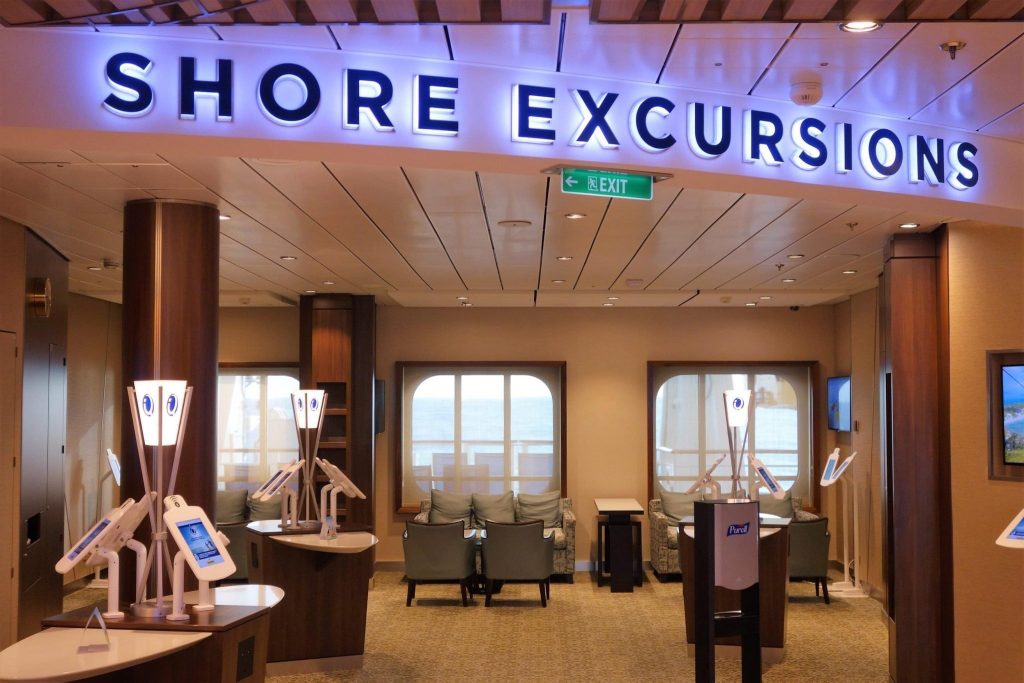
Shore excursions (snorkeling trips, island tours, zip-line rides, cooking classes) are typically run by local operators. The cruise line rarely owns the tour company itself. Instead, it acts as a distributor. That distribution comes with a markup.
Industry analysts have long noted that cruise lines often negotiate wholesale rates with local tour providers and then resell those same experiences to passengers at significantly higher prices. Independent tours offering the same itinerary can sometimes cost 30–50 percent less when booked directly with local operators.
Kevin Daniels, a cruise finance executive who works for a major line described the system bluntly.
“Excursions are one of the easiest revenue streams we have,” he said. “The ship doesn’t have to operate the tour—we just sell it. The margins can be excellent.”
None of this is unusual in travel. Hotels do it with spa services. Resorts do it with activities. But cruise lines have another powerful advantage: they control the narrative. And that narrative often hinges on a single fear.
Private vs. Cruise Line Shore Excursions: “The Ship Will Leave Without You” Myth
Ask any first-time cruiser why they book excursions through the ship and you will often hear the same answer:
If the tour runs late, the ship will wait.
This is partially true—but also widely misunderstood.
Most cruise lines do advertise a form of “return to ship guarantee” for excursions booked through them. For example, Royal Caribbean notes that if a ship-sponsored excursion is delayed, the ship will either wait or the cruise line will arrange transportation to the next port at no cost to the passenger. Disney Cruise Line and other operators offer similar assurances. But this guarantee is often interpreted by travelers as something broader: that ships never wait for independent travelers.
In reality, cruise departures are more flexible than many passengers realize. Ships operate within port schedules, pilot availability, and tidal windows. If those constraints allow, captains can delay departure briefly. And they often do—whether passengers were on an official excursion or simply running late.
Cruise ships cannot wait indefinitely, of course. Dock time is expensive and tightly regulated. But modest delays are not unusual, particularly when multiple guests are still returning to the vessel. As one cruise travel guide explained, ships run on tight timetables and may depart without late passengers—but it happens far less often than cruise marketing implies.
What Happens If You Are Late
Another little-known detail: if you fail to return to the ship on time, the crew typically already knows.
Cruise lines track passengers leaving and re-entering the ship through their key cards. If someone has not returned close to the “all-aboard” time, guest services may attempt to contact them. If necessary, the ship’s port agent can assist with logistics such as transportation to the next port. In some cases, crew members even retrieve essential items—passports, medication—from a passenger’s cabin before the ship departs so they can be transferred ashore.
The message is simple: missing the ship is inconvenient, but the industry has well-established procedures for handling it. They understand that some emergencies are unavoidable.
Why Private Tour Operators Care About Your Schedule
Ironically, the people most invested in getting cruise passengers back to the ship on time are often the independent tour providers themselves. Their business depends on cruise traffic. One missed ship could destroy a company’s reputation in online reviews.
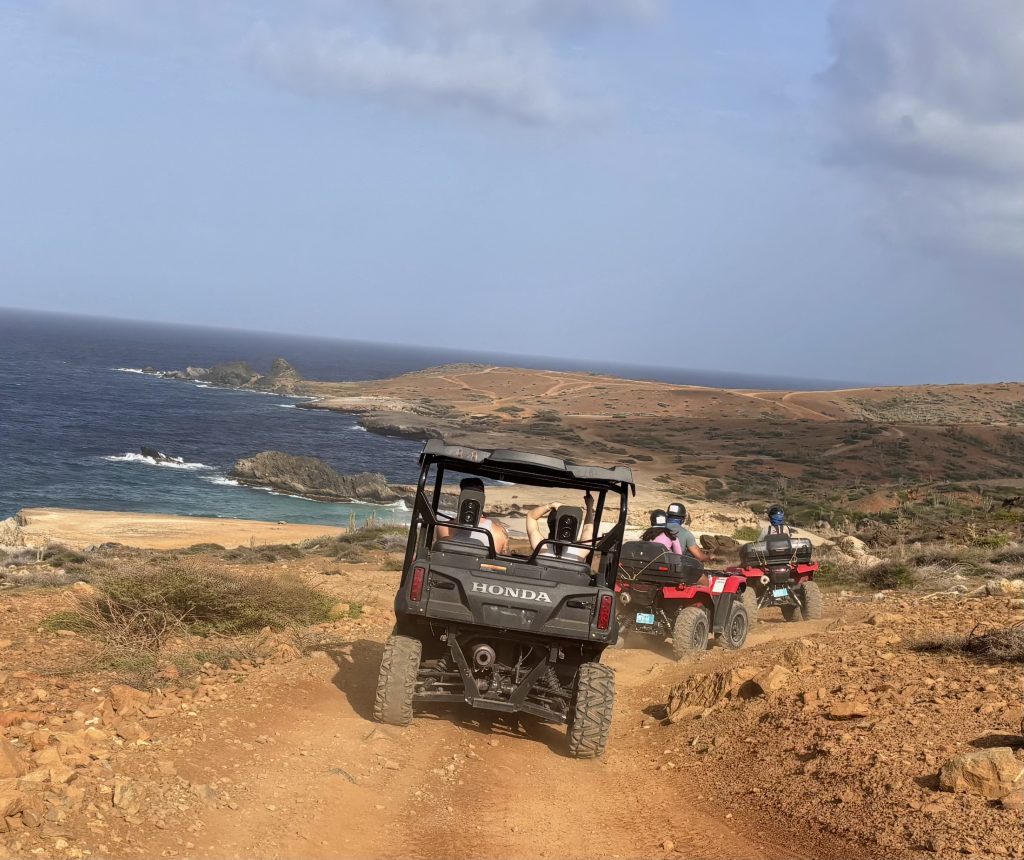
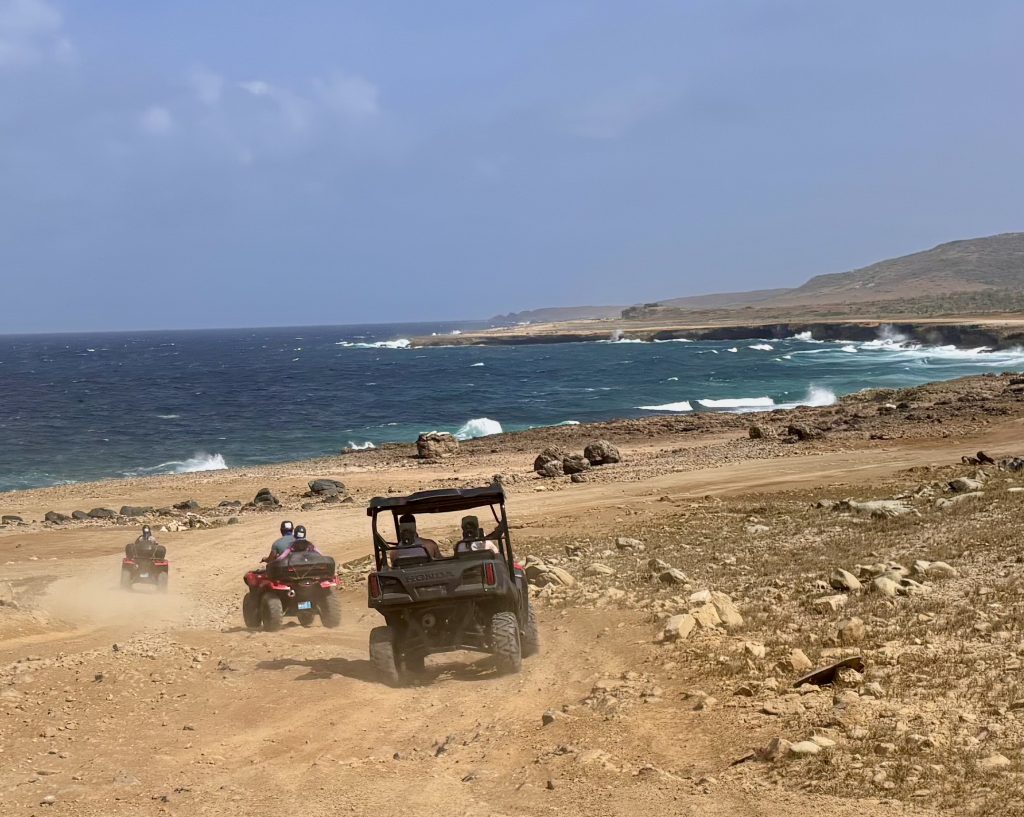
Gabriel, a guide with Kini Kini Tours in Aruba, said timing is built into every itinerary.
“Cruise guests are extremely important to us,” he explained. “We know exactly when ships arrive and depart. Getting people back safely and on time is part of the job. If we didn’t do that, we wouldn’t stay in business.”
Many independent tour companies even offer their own “return to ship guarantees.” Some promise to arrange transportation to the next port and cover expenses if a tour delay causes a passenger to miss departure. The economic incentive is obvious. A cruise ship may bring thousands of potential customers into port at once. Protecting that relationship is essential.

Private vs. Cruise Line Shore Excursions: The Advantages of Booking Independent Excursions
Price is the most obvious difference. Because cruise lines often act as intermediaries, identical tours can cost significantly less when booked directly with local operators. But experienced travelers point to several other advantages.
Smaller groups.
Ship excursions often move dozens of passengers at a time. Independent tours frequently operate with smaller groups or private vehicles.
More flexible itineraries.
Independent guides can tailor experiences around passenger interests rather than a fixed cruise-line schedule.
Local expertise.
Many private operators are family-owned businesses deeply rooted in the destination.
For travelers who value immersion over convenience, those differences matter.
The Marketing Playbook Behind Ship Excursions
Cruise lines are not deceptive about their excursions. But they are very good at marketing them. Several tactics appear across multiple cruise brands:
1. Early booking pressure
Excursions are often promoted months before sailing, encouraging passengers to reserve quickly “before tours sell out.”
2. Fear-based messaging
Guarantees emphasizing that the ship will wait for official tours reinforce the perception that independent tours are risky.
3. Seamless integration
Ship excursions are bundled into the cruise app, daily schedule, and onboard announcements.
The result is a powerful psychological nudge toward convenience. And for many travelers, that convenience is worth the extra cost.
Doing Your Homework Before Booking Private Tours
None of this means travelers should book independent excursions blindly. Due diligence is essential. Start by researching operators with strong reputations on platforms such as:
- ShoreExcursionsGroup
- ToursByLocals
- Viator
- Expedia
- Tripadvisor
Look for companies that:
• specialize in cruise-ship schedules
• guarantee timely return to port
• maintain consistently strong reviews
• communicate clearly about timing and pickup locations
Booking in advance is also wise. Popular private tours often sell out well before the ship arrives.
Finally, whether booking private vs. cruise line shore excursions, don’t make rookie mistakes! Travelers should leave a buffer between the end of an excursion and the ship’s departure time, typically at least one to two hours. Responsible tour operators already build that margin into their itineraries.
Private vs. Cruise Line Shore Excursions: When Booking Through the Ship Still Makes Sense
For all the discussion of markups and marketing, ship excursions do have advantages. They are simple. They are coordinated directly with the vessel. And if something goes wrong—mechanical trouble, severe traffic, unexpected delays—the cruise line assumes responsibility for helping passengers rejoin the ship. For some travelers, particularly first-time cruisers, that peace of mind is valuable. But it is not the only safe way to explore a destination.
The Reality Behind Cruise Port Adventures
Private vs. Cruise Line Shore Excursions? Both are great options for most travelers.
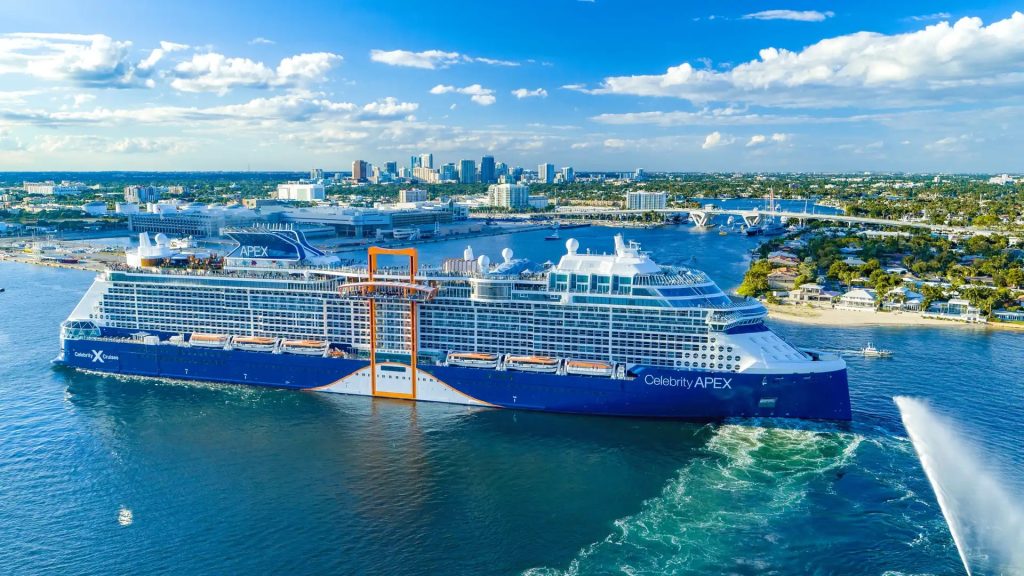
Every cruise port is an ecosystem. On one side are the massive ships—floating resorts carrying thousands of passengers and billions in annual revenue. On the other are local guides, boat captains, drivers, and small tour operators whose livelihoods depend on those visitors. kBoth sides want the same thing: travelers who have a memorable day ashore and return safely to the ship.
The difference is simply who sells you the tour.
And once you understand that, the choice becomes less about fear—and more about how you want to experience the world when the gangway drops.