

There’s a secret hiding in plain sight inside the Department of Defense travel system. It’s called Space-Available travel. Or simply Space-A. And if you’re a retired service member, it might be the most underused travel perk in America.
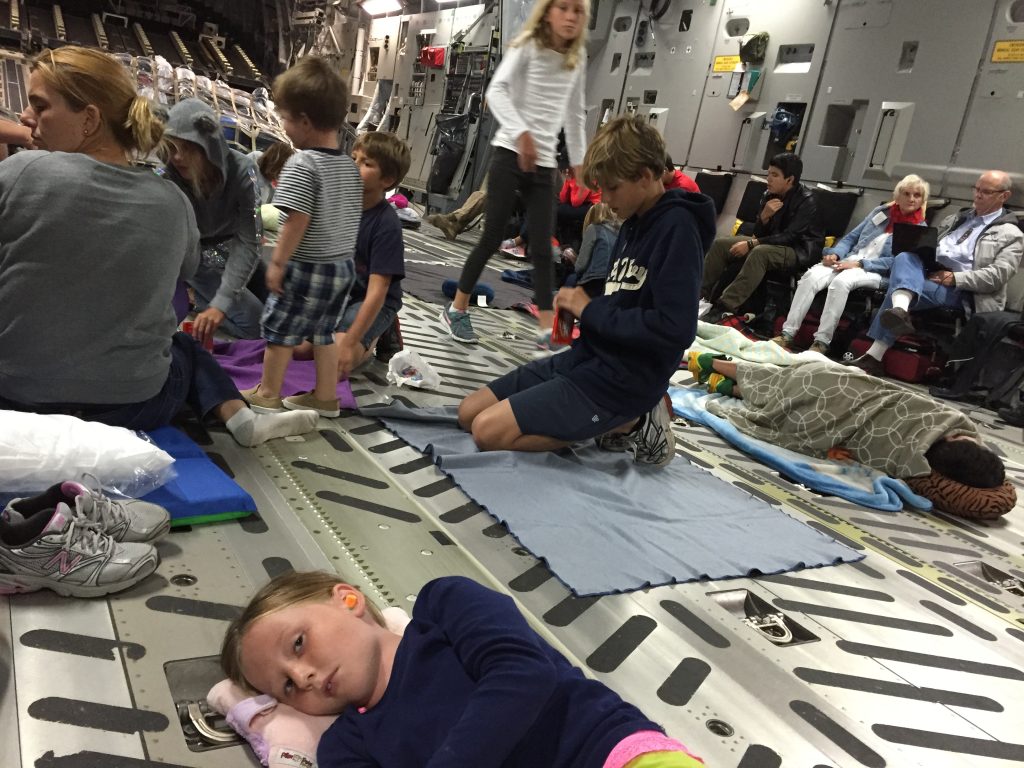
We’re a family of five. Over the years we’ve caught hops on C-17s, cargo planes, and the occasional Patriot Express to places most travelers spend thousands of dollars to reach. Germany. Spain. Italy. Hawaii. Washington state. Coast-to-coast flights. Sometimes the journey was smooth. Sometimes it involved sleeping on a terminal floor and eating vending-machine Pop-Tarts at midnight. But every time? – It was an adventure.
And if you understand a few unwritten rules, you can make Space-A travel work far better than most people realize. Here’s the retired military space-a travel hacks that you should know:
What Space-A Travel Actually Is (And Why It Exists)
Military aircraft fly missions whether the seats are full or not. When space exists after mission requirements are met, the military allows certain passengers — including retirees and their dependents — to fill those empty seats. Hence the name: Space Available.
You’re not buying a ticket. You’re simply riding along if room exists. The price? Usually free, though Patriot Express flights may charge a small head tax. The trade-off is simple: You’re trading certainty for opportunity.
The Best Bases for Space-A Travelers
While flights happen across the military network, some bases consistently offer good opportunities. Among the most popular departure points:
- Joint Base McGuire-Dix-Lakehurst
- Dover Air Force Base
- Naval Air Station Whidbey Island
These bases frequently host Air Mobility Command missions, which increases Space-A opportunities.
The First Rule of Space-A: Your Calendar Must Be Flexible
This is the rule that separates people who love Space-A from people who swear they’ll never try it again.
Flights move.
Missions change.
Weather happens.
Sometimes a flight disappears from the schedule five minutes before roll call. If you can treat travel delays like plot twists instead of catastrophes, Space-A becomes magical. If you can’t… you’ll hate it. Veterans who succeed at Space-A usually build three-day buffers on both sides of a trip. It sounds excessive. Until it saves your vacation.
The Trick Most New Travelers Miss: Sign Up Early
Your sign-up date and time determine your place in line within your travel category. For retirees (Category VI), that matters. You can sign up 60 days before your intended travel date, and experienced travelers usually aim for 50–55 days out. The earlier your timestamp, the better your odds when seats open. Even if you miss one flight, your original sign-up time stays with you. Think of it like a boarding priority that follows you across attempts.
The Strategy That Unlocks the Entire System
The biggest Space-A mistake people make? Trying to fly directly to their destination. Experienced travelers hop region to region instead. Example: Instead of chasing a rare flight from the East Coast to Spain, you might take a more common hop to Germany or the UK, then continue your journey using trains or budget airlines. Once you start thinking this way, the map opens up dramatically.
A Real Space-A Lesson: The Trip That Changed Mid-Flight
On one of our hops, a flight scheduled for one destination suddenly changed mission routing. Suddenly we were heading somewhere else entirely. That’s the moment you either panic… or shrug and say: “Well, I guess we’re going there now.” Space-A travelers who thrive understand something important:
The journey is part of the story.
Yes, You Might Fly on a Giant Military Cargo Plane
And that’s half the fun. Some flights are Patriot Express, which feel similar to a commercial charter flight. Others are… not. You might board a C-5, or a C-17 Globemaster III, a massive gray aircraft designed to move tanks, cargo pallets, and occasionally a handful of adventurous travelers.
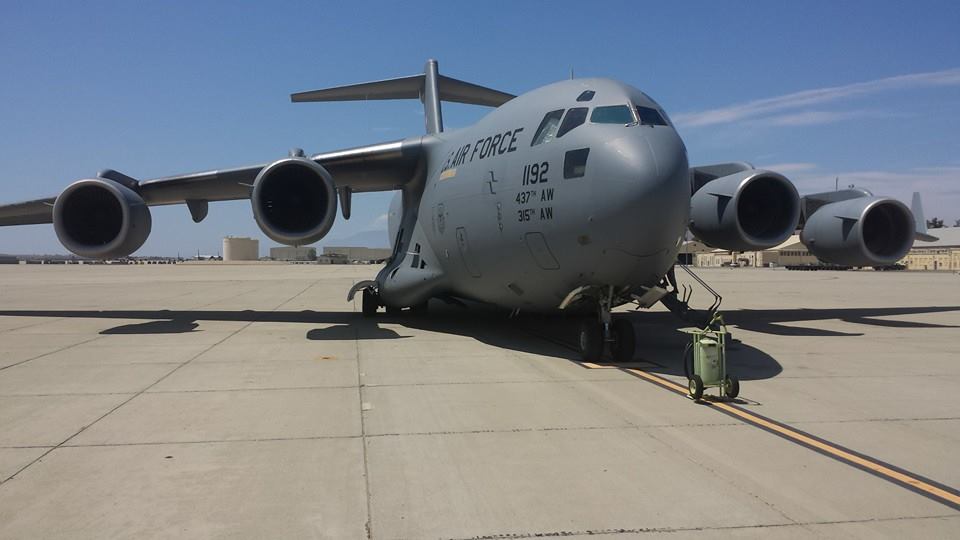
Inside you’ll find:
• Webbed airline-style seats along the fuselage
• A loud engine roar that never quite disappears
• Five-point harnesses for takeoff
• Cargo strapped down in the middle of the aircraft
• Crew members who have seen everything
The first time you take off in a C-5 or C-17, it feels less like a commercial flight and more like being part of a mission. Because technically… you are. On a C‑17, you might walk up the ramp like you’re entering a flying warehouse — because you are. It’s cavernous, echoey, and weirdly peaceful once you settle in. On a C‑5, you’ll feel like you’re boarding a building with wings. The upper deck has that “secret club” energy, and the cargo bay below is so massive it feels like it shouldn’t be able to leave the ground.
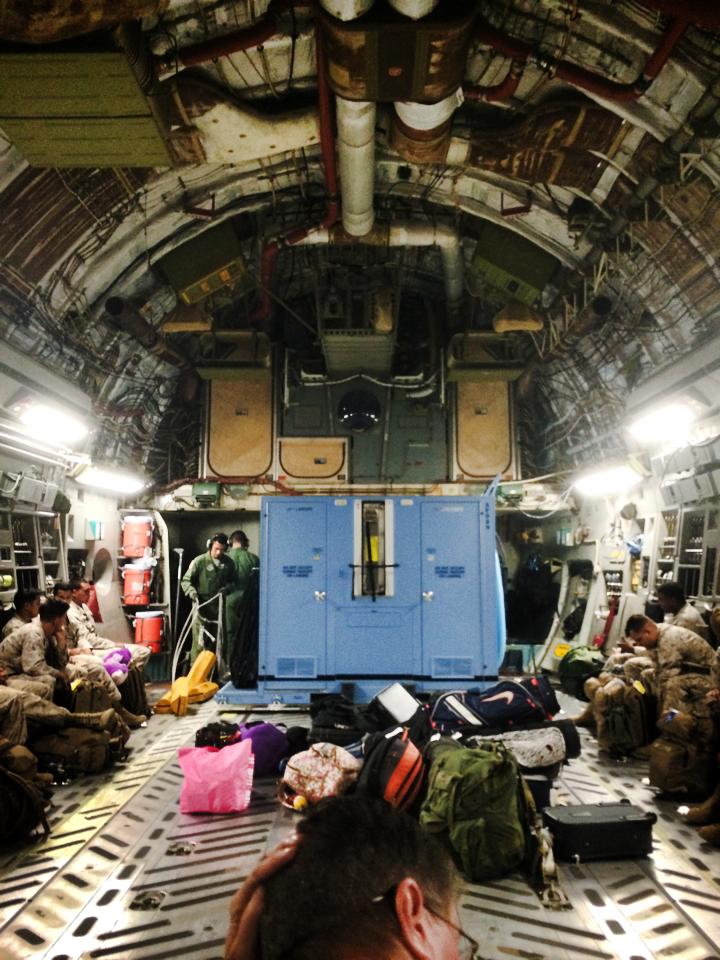
Sometimes you might get invited to peek into the cockpit or watch an in‑air refueling operation — the kind of thing no commercial airline would ever let you near. Sometimes you’ll find yourself stretched out in a webbed troop seat next to a family of five, a retired chief who’s flown Space‑A since the Cold War, and a pallet of cargo shrink‑wrapped like it’s also on vacation. Sometimes you’ll be freezing (bring layers), sometimes you’ll be sweating (bring patience), and sometimes you’ll be lulled to sleep by the steady hum of engines the size of small houses. Sometimes you get to hitch a ride with our amazing active-duty servicemembers.
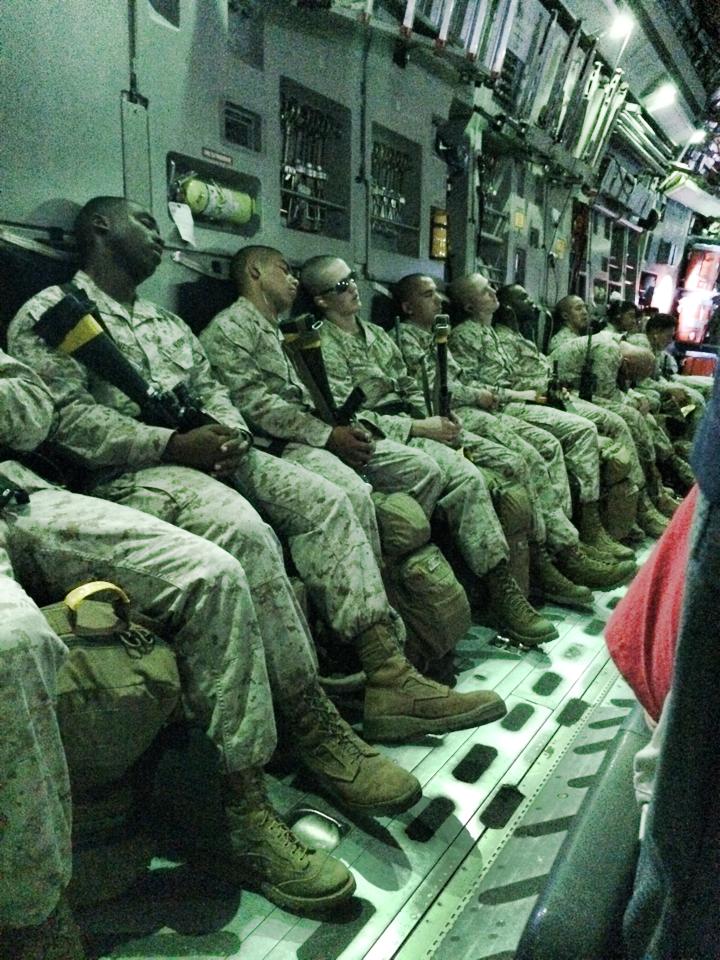
It’s equal parts surreal, thrilling, and deeply humbling.
It’s experience you’ll never forget.
Yes, Space-A Travelers Need to Pack Strange Things
Here’s a must-know military space-a travel hacks: Veteran travelers who fly Space-A pack like seasoned campers. Because sometimes that’s exactly what it feels like. Common items inside a Space-A backpack:
• earplugs or noise-canceling headphones
• blanket or sleeping bag
• travel pillow
• snacks (lots of snacks)
• a hoodie or winter hat
Cargo aircraft can get surprisingly cold. And loud. – Very loud.
The Hidden Secret: It’s Not Really About Free Flights
Yes, the flights are free. But that’s not the real magic. The real magic is the unexpected travel stories. Watching a cargo ramp close before takeoff. Seeing pallets of supplies loaded beside passenger seats. Listening to crew members casually explain a flight path that crosses half the world. You realize quickly that this isn’t normal travel.
It’s military travel.
And once you’ve done it, commercial flying starts to feel a little boring.
The appearance of any Department of Defense entities, images, or testimonies, on this or subsequent pages or links to pages does not convey or imply that the Department of Defense directly or indirectly endorses any product or service provided, or to be provided, by SpaceATravels.com, its successors, assignees, or licensees.
The appearance of hyperlinks to Department of Defense commands, units, and or activities, does not constitute the endorsement by the Department of Defense, the U.S. Army, the U.S. Navy, the U.S. Air Force, the U.S. Marine Corps, etc. of this website or the information, products or services contained therein. The Department of Defense, the U.S. Army, the U.S. Navy, the U.S. Air Force, the U.S. Marine Corps, etc. does not exercise any editorial control over the information you may find on this website or the provided hyperlinks. Such information and links are provided consistent with the stated purpose of the SpaceATravels.com website.