

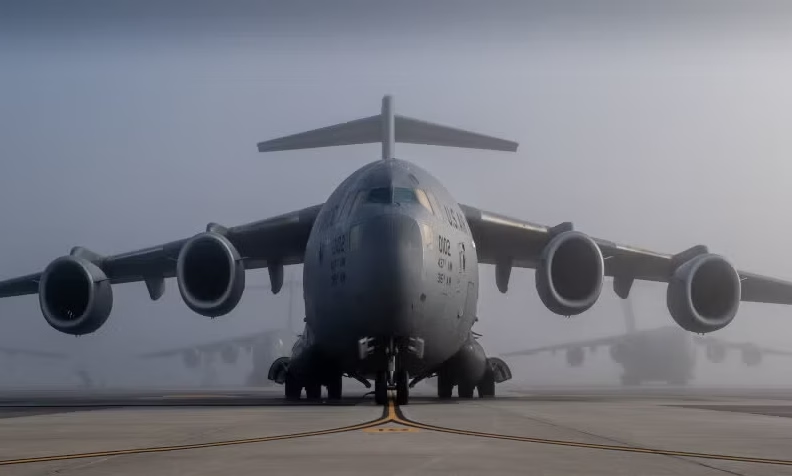
Military Space-A flights have been our family of 5’s secret weapon for globe‑trotting on a budget ever since our littlest could walk. Since then, we’ve hopped our way to Europe, Hawaii, Alaska, Japan, Korea, and more random U.S. airports than I can count. If there was a terminal, a cargo plane, and a prayer, we were probably there. Please ask me how we went from a cold kc-130 out of Rota to the Secretary Of Treasury’s C-32 from Scott AFB to Langley. Flying Space-A is always an adventure.
Over the last decade of wandering the planet like two budget-conscious nomads leading 3 smaller humans, I estimate we’ve saved more than $25K by taking military hops and staying on base or in DoD lodging. Yes, really. That’s a lot of hotel upgrades and airport snacks. Our experiences have been overwhelmingly positive, and whenever it’s even remotely feasible, Space-A (formerly known as “MAC flights,” back when dinosaurs roamed the Earth) is my preferred way to fly.
Here’s the wild part: when we talk to other military folks, we’re constantly shocked by how many have never even heard of Space-A travel. And the ones who have heard of it usually treat it like some mythical creature — like Bigfoot, but with jet fuel.
Most people who avoid military space a flights do so because they’ve heard the horror stories: endless waiting, surprise maintenance issues, flights canceled at the last minute, and the occasional “Oops, the mission changed, please go home now.” And yes, all of that can happen. But if you’ve flown a commercial airline lately, you know those things happen there too — except you get to pay hundreds of dollars for the privilege.
The difference?
Space-A is free. Free! As in, the best price ever invented.
This Quickstart Guide breaks down everything you need to know to take your first Space A Travel adventure without losing your sanity. Follow the steps, click the links, and you’ll be ready to hop on a military flight like a seasoned pro.
✈️ How to Fly Space-A Guide (a.k.a. The “How to sign up for Space-A flights” Section)
Here’s the Space-A process, minus the fluff:
- Figure out your category and any geographic restrictions (yes, they matter).
- Register — or “sign up,” if you enjoy using normal human words — at every terminal you might fly from.
- Stalk flight schedules like it’s your new part-time job.
- Make sure you have the right documents, clothing, and gear (no, flip-flops are not “gear”).
- When you see a flight you want, mark yourself present within 24 hours of the listed time.
- Show up travel-ready for Roll Call and listen for your name like you’re waiting to win a raffle.
- If selected, grab your boarding pass and check your luggage.
- If not selected, activate Plan B (you did make a Plan B, right?).
If you want the full breakdown of each step, keep reading — I promise it’s worth it.
Even if you’re not new to Space-A, you’ll want to check out the lessons learned and strategies we’ve collected from years of trial, error, and occasional airport floor naps.
✈️ How Space-A Flights Actually Work
Space-A flights — also known as “MAC flights” or “military hops” — are operational military flights with extra seats. The mission is the priority, and you, dear traveler, are essentially well-behaved cargo with a pulse.
There’s no charge to fly Space-A, except on Patriot Express (PE) flights, where you’ll pay a small per-person tax. Think of it as the military’s version of “shipping and handling.”
Eligible members of the military community can hop on flights with open seats, but everything runs on a priority system. Which brings us to…
✈️ Space-A Categories: Who Gets to Fly First?
Space-A passengers fall into six categories, or “Cats.” Cat 1 is the VIP line, Cat 6 is the “we’ll call you if literally everyone else cancels” line.
Seats are offered to lower-numbered categories first. Within each category, priority is based on signup date — so yes, signing up early actually matters.
Here’s a simplified rundown:
- Cat 1: Emergency leave unfunded travel (the “drop everything” group)
- Cat 2: Accompanied EML (with or without dependents)
- Cat 3: Ordinary leave for active duty (with or without dependents)
- Cat 4: Unaccompanied dependents on EML or with deployed sponsors
- Cat 5: Unaccompanied dependents OCONUS + certain permissive TDY travelers
- Cat 6: Retirees, Reservists, 100% disabled veterans, surviving spouses
⚠️ Important Category 6 Restrictions
Because nothing in military life is ever simple, some Cat 6 travelers have geographic limitations:
- Reservists, Gray Area retirees, and 100% disabled veterans (who aren’t also retirees) can only fly within the U.S. and its territories.
- Surviving spouses can only fly within the continental U.S.
👨👩👧 Dependent Eligibility (a.k.a. “Can My Kids Come?”)
Dependents of active duty members can fly Space-A without their sponsor under certain conditions.
Dependents of retirees, Reservists, Gray Area retirees, 100% disabled veterans, and surviving spouses can fly Space-A only when accompanied by their sponsor.
The following folks are not eligible to fly Space-A:
- Ex-spouses
- Parents, siblings, cousins, or your favorite uncle
- Anyone who isn’t your dependent, basically
Kids can fly with their sponsor or eligible unaccompanied parent — but not with your neighbor’s military family, even if they swear they’ll behave.
Service dogs are allowed. Pets and emotional support animals are not. (Yes, even if your cat is “basically a veteran.”)
✈️ Military Space-A flights Process: How to Take a Military Hop (Without Losing Your Mind)
So you want to fly Space‑A. Excellent choice. Here’s the whole process, broken down so even your sleep‑deprived PCS brain can follow along.
1. Space‑A Registration (a.k.a. “Signup,” a.k.a. “Step One of Many”)
Your first mission: sign up with every military passenger terminal you might possibly fly from. Yes, even the ones you think you won’t use. Space A Travel is chaos with jet engines — embrace it.
And no, you’re not signing up for a specific flight. You’re signing up to compete for any flight with open seats at that terminal. Think of it as entering a raffle where the prize is “maybe getting to leave.”
You can sign up by:
- Email (the gold standard)
- The MilSpaceA app (RIP to new downloads)
- The AMC website form
- In person (for the brave)
Email and the app let you blast your signup to multiple terminals at once. We always use email because it works and doesn’t require downloading anything that may or may not still function.
When you email, you must include all the info listed in the “Space‑A Sign‑Up Options & Required Information” section of the AMC website. Yes, all of it. No, they won’t chase you down if you forget something — they’ll just ignore your signup like a bad Tinder match.
You can find terminal email addresses in the Passenger Terminal Directory. It’s basically the phonebook of places you might get stranded.
Signup timing matters. Your priority is based on your signup date, so earlier is better. Most terminals allow signups up to 60 days in advance (some Navy locations are stingier at 45 days). Active duty folks can’t sign up until they’re officially on leave — no cheating.
Most terminals won’t confirm your signup. That’s normal. Save and print your sent emails because they’re your proof. If you’re paranoid, call the terminal. Do not send a second signup email unless you enjoy resetting your priority date to “right now.”
2. Tracking Space‑A Flight Schedules (a.k.a. “Your New Hobby”)
Next, you’ll monitor flight schedules — or “missions,” if you want to sound cool. Schedules are posted up to 72 hours in advance, which is adorable considering how often things change.
If you watch schedules for a few weeks before your trip, you’ll start to notice patterns: which bases fly where, how often, and how many Space‑A unicorn seats they release. This becomes a topic of discussion at breakfast and dinner and probably right before bedtime.
Most terminals post their 72‑hour schedules on Facebook or their website. A typical schedule includes:
- Destinations
- Tentative Space‑A seat counts
- Roll Call time (the moment of truth)
You can also call the terminal for schedules, if you enjoy being on hold.
Many terminals also post data on recently departed flights — super helpful for seeing whether they actually released seats or if the mission was swallowed by the void. This also are discussions over breakfast, dinner and before bedtime. By the time you catch your first flight, you will be telling others how to fly Space-A
3. Check‑In (a.k.a. “Marking Yourself Present”)
Within 24 hours of your target flight’s Roll Call, you must physically go to the terminal and tell the staff you exist.
Bring:
- Your USID card
- Passports (for international travel)
- Any required paperwork (leave form, command memo, etc.)
- Your dependents, if they’re traveling
- Proof of your signup email (because technology is a suggestion, not a guarantee)
Kids under 14 without a USID need a government‑issued ID plus a milConnect printout showing their DoD ID number. Yes, even toddlers get paperwork.
You must mark yourself present before Roll Call. Showing up early doesn’t give you an advantage, so don’t camp out like you’re waiting for concert tickets. Usually 1–2 hours is fine (3+ for Patriot Express if you haven’t checked in yet).
Before Roll Call, check the “present” list posted near the desk. Make sure:
- Your name is there
- Your dependents are listed
- Your signup date is correct
If anything is wrong, speak up. Quiet suffering is not rewarded here.
4. Military Space-A flights Roll Call (a.k.a. “The Hunger Games: Terminal Edition”)
Roll Call is when terminal staff announce how many Space‑A seats are available and start reading names, beginning with the highest‑priority categories.
If they call your name, congratulations — you won the lottery. Go to the desk, show your IDs and paperwork, and try not to look too smug.
After Roll Call, you may:
- Immediately check bags
- Wait for hours
- Wonder why you didn’t bring more snacks
There is no way to know in advance.
You must be travel‑ready at Roll Call. That means:
- You
- Your dependents
- Your luggage
- Your documents
All present and accounted for.
Do not plan to run back to your hotel or return your rental car afterward. You will regret it.
If you’re not selected, don’t leave. Sometimes extra seats magically appear at the last minute.
5. Baggage Check (a.k.a. “Hope You Packed Light”)
When it’s time to check bags, everyone and everything must be present.
Most Military Space-A flights allow:
- 2 checked bags per person
- Up to 70 lbs each
- Car seats (don’t count toward your limit)
Some smaller aircraft have weight limits as low as 30 lbs. If your bag weighs more than a preschooler, you’re not getting on that plane. Pack light. Your future self will thank you. TSA rules apply for checked luggage, so no, you still can’t bring your giant bottle of shampoo.
And remember: you cannot access your checked bags during the flight, even if they’re literally strapped down right in front of you. Bring what you need in your carry‑on unless you enjoy suffering.
🍱 Baggage Check Bonus Round: Food, Paperwork, and the Moment You’re Officially “On the List”
During baggage check, you can request a box meal if the terminal offers them. These culinary masterpieces usually cost $5–$10 and include the classic military combo: a sandwich, chips, a cookie, and a drink. Basically, the lunch your mom packed in 1998, but with fewer notes of encouragement.
Space-A Travels Pro Tip: The screeners at most terminals let you bring chips, sandwiches, drinks etc.
Bring cash and a card, because some terminals only accept one, some accept the other, and some seem to decide based on the mood of the universe.
You’ll also get your boarding pass here — check it carefully to make sure it lists the correct final destination. Yes, this sounds obvious. Yes, people have ended up manifested to the wrong place. No, you don’t want to be one of them.
Once your bags are checked and your boarding pass is in hand, you are officially manifested on the flight. Terminal staff will give you an estimated boarding time, which is adorable because it will probably change three times before anything actually happens. Stay in the terminal unless you enjoy stress.
6. Boarding (a.k.a. “Hurry Up and Wait: Part II”)
When boarding finally begins, everyone goes through security. Military terminals follow TSA rules, so your carry‑on restrictions are the same as on civilian flights. Yes, that means your giant bottle of lotion is still a no-go.
You’ll sit in a secure area until it’s time to board. At most bases, a bus will scoop you up and drive you to the aircraft, where you’ll climb aboard from the tarmac like a VIP who paid absolutely nothing.
If you’re on a Patriot Express, your boarding pass will have an assigned seat. On other military aircraft, it’s first‑come, first‑served seating — a real-life game of “find the least terrible spot.” Sometimes families with small kids board first, but don’t count on it.
At some point, the crew will hand out foam earplugs. Take them. You’ll thank them later. In fact, grab 2.
7. The Flight (a.k.a. “No-Frills, No-Problem”)
Unless you’re on the Patriot Express (which has full in‑flight service and feels suspiciously like a real airline), most Space‑A flights are extremely no‑frills. The crew provides water in a cooler, but it’s self‑serve. No flight attendants gliding down the aisle with carts here.
Space-A Travels Pro Tip: On most aircraft there is a microwave the crew usually will share.
Depending on the aircraft, you may be able to stretch out across multiple seats or even sleep on the floor. Yes, the floor. Yes, it’s allowed. Yes, it’s weirdly comfortable if you’re tired enough.
Space-A Travels Pro Tip: If they offer pillows or blankets, take them.
If you want to know what to expect on different aircraft — seating, temperature, bathroom situation, the whole glamorous package — there’s a guide for that.

8. Arrival (a.k.a. “You Made It… Probably”)
After landing, terminal staff usually shuttle you from the aircraft to the passenger terminal, where you’ll collect your checked bags and try to remember what time zone you’re in.
Most terminals have info on:
- Rental cars
- Base lodging
- Local transportation
- Other resources you’ll suddenly realize you need
Space-A Travels Pro Tip: Make a reservation at the hotel on base you intend to compete for
If you’ve arrived in a foreign country, you may go through customs right there, or you may need to head to an off‑site location to get your passport stamped. It varies wildly by country and base, so check the Space‑A Location Guides for the specifics.
✈️ When (and When Not) to Fly Space‑A
Now that you know how Space A Travel works when everything goes perfectly, let’s talk about reality.
There are times when Space‑A is a brilliant idea… and times when it’s a one‑way ticket to frustration.
Probably not the best times to rely on Space A Travel:
- Short trips (less than 2 weeks)
- Major holidays
- Summer PCS season (late May–early September), especially for OCONUS travel
During these periods, it’s smarter to hunt for discounted military fares or use a site like Skyscanner to find cheap commercial flights.
Traveling solo? Congratulations — you’re basically a Space A Travel ninja. One open seat? It’s yours.
Packing light? Even better. Some flights have strict weight limits that knock out half the competition.
You can dramatically improve your odds by following smart strategies and monitoring flight schedules so you know which missions are actually worth showing up for.
🪑 What to Expect at Military Passenger Terminals
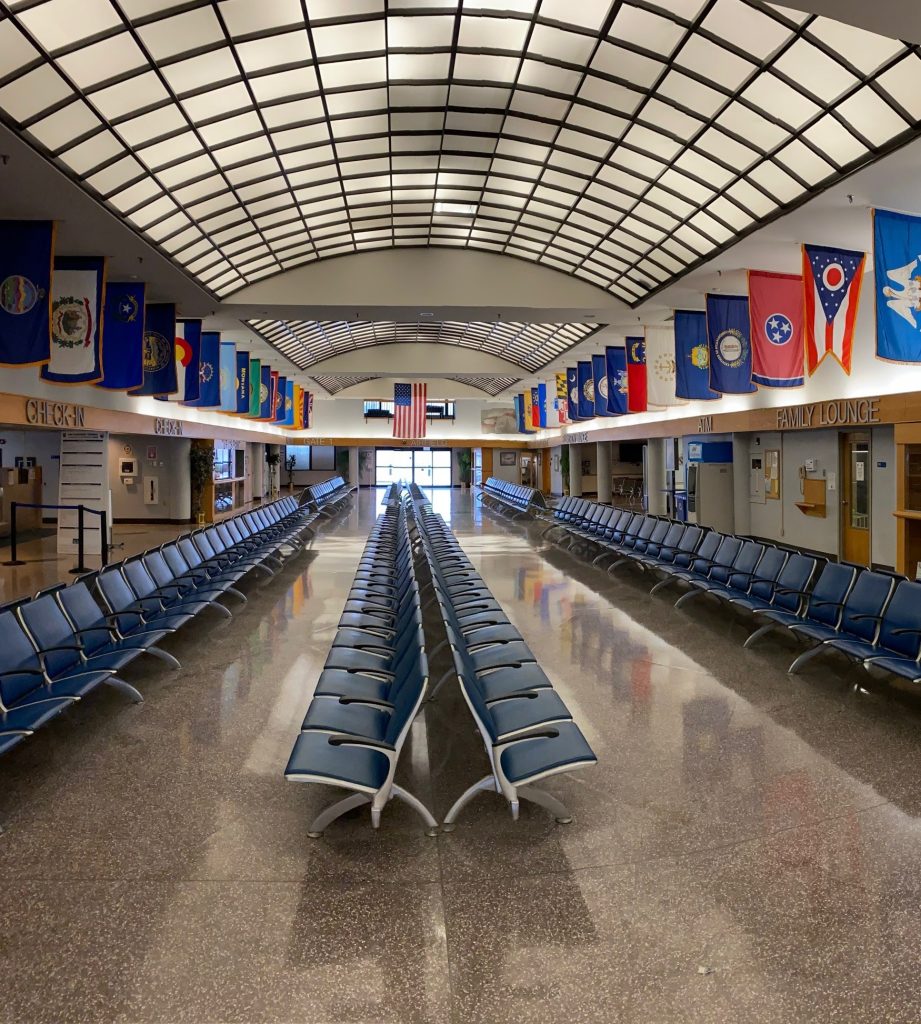
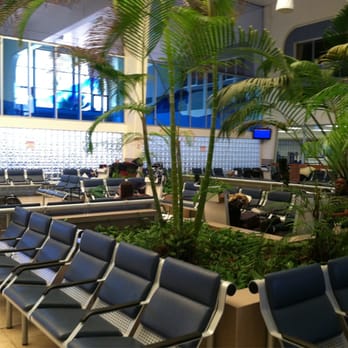
Passenger terminals are like snowflakes — no two are alike, and some are much prettier than others.
Some terminals have:
- A USO
- A snack bar
- A kids’ area
- Showers
- Actual comfortable seating
Others have… chairs. And a desk. And vibes.
Most terminals discourage passengers from getting too cozy. Chairs often have fixed armrests to prevent napping, and signs usually forbid lying on the floor. Bring entertainment for yourself and the kids unless you enjoy watching the clock tick. I can’t tell you what the best military terminals for family travel because every family is different. Do you kids like the pool table at Dover, or the super large chairs at Ramstein? Each terminal is different.
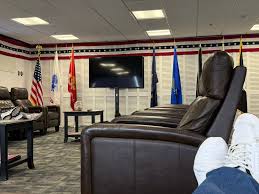
Many terminals have WiFi, but it’s often the kind that works just well enough to frustrate you. Download your movies, books, and activities ahead of time.
And here’s a big one: most terminals are NOT open 24 hours. You cannot sleep there overnight, even if your flight arrives late or has an overnight layover. Plan ahead for lodging — base lodging tips are your friend.
Lastly, Space A Travel is not for the stressed out traveller, think of it as an adventure. An amazing Space A Travel amazing race.